



Central Desert Who's Who
Public Profile
PUBLIC PROFILE
Carolyn Sole
Local ResidentEiger Chalet White Spider Restaurant and Bar
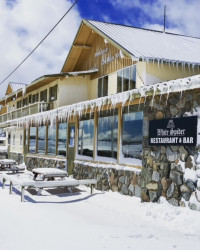
Eiger Chalet White Spider Restaurant and Bar
Enjoy the friendly ambience and cosy atmosphere of our family-owned and operated ski accommodation, where the best of Perisher awaits. Wake up on snow to enjoy a leisurely gourmet breakfast, before hitting the slopes without the wait. Engage your muscles ahead of your day on the piste with a warm up in our mini gym or dive right into a deep, all over body relaxation in out traditional Euro-Sauna before indulging in an on-site massage or greeting fellow travellers in our comfortable guest lounge and games room.
Eiger Chalet is also home to the iconic White Spider Bar and Restaurant, where you can experience fine dining, chalet-style. Perisher’s premier spot to wine and dine offers spectacular views and sophisticated dishes in warmly welcoming surroundings. Enjoy some après ski fun and live music in the bar before retiring to your comfortable accommodation, or join us for a casual meal or celebratory dinner to remember. Whatever you’re looking for, there’s no better place in Perisher to make memories – and here, you’ll always be greeted with a smile.
Connect through my public pages
Public information provided by this member.
Share this Portrait
Distinguished and Famous people from Central Desert
🎨 Judy Napangardi Watson
Warlpiri artist Judy Napangardi Watson developed her distinctive painting style at Warlukurlangu Artists in Yuendumu, working alongside her elder sister Maggie Napangardi Watson. Her ancestral connections included Mina Mina and Yingipurlangu, places she knew through journeys with her family. Energetic colour and dragged dotting became characteristic of her paintings, while the work retained cultural meanings associated with place and song. Her career connects the Central Desert's community art centre with knowledge and responsibilities reaching far beyond the studio walls.
🩺 Ellen Kettle
Ellen Kettle began nursing at Yuendumu in 1952, working from a rudimentary hut where dust and wind made clinical work difficult. At Yuendumu, she found that a lack of patient records made it harder to understand the health problems facing the community. Keeping detailed records became central to her work, alongside treating illnesses and injuries. Her experiences later reached a wider audience through Gone Bush, published in 1967, which drew attention to health conditions in remote communities. The story combines hands-on nursing with the less visible work of writing things down: records could reveal patterns that an isolated consultation could not.
